Support Line: +90 212 383 32 32

 TR
TR
 EN
EN
 RU
RU
 UZ
UZ


Account
Cart
Go go top

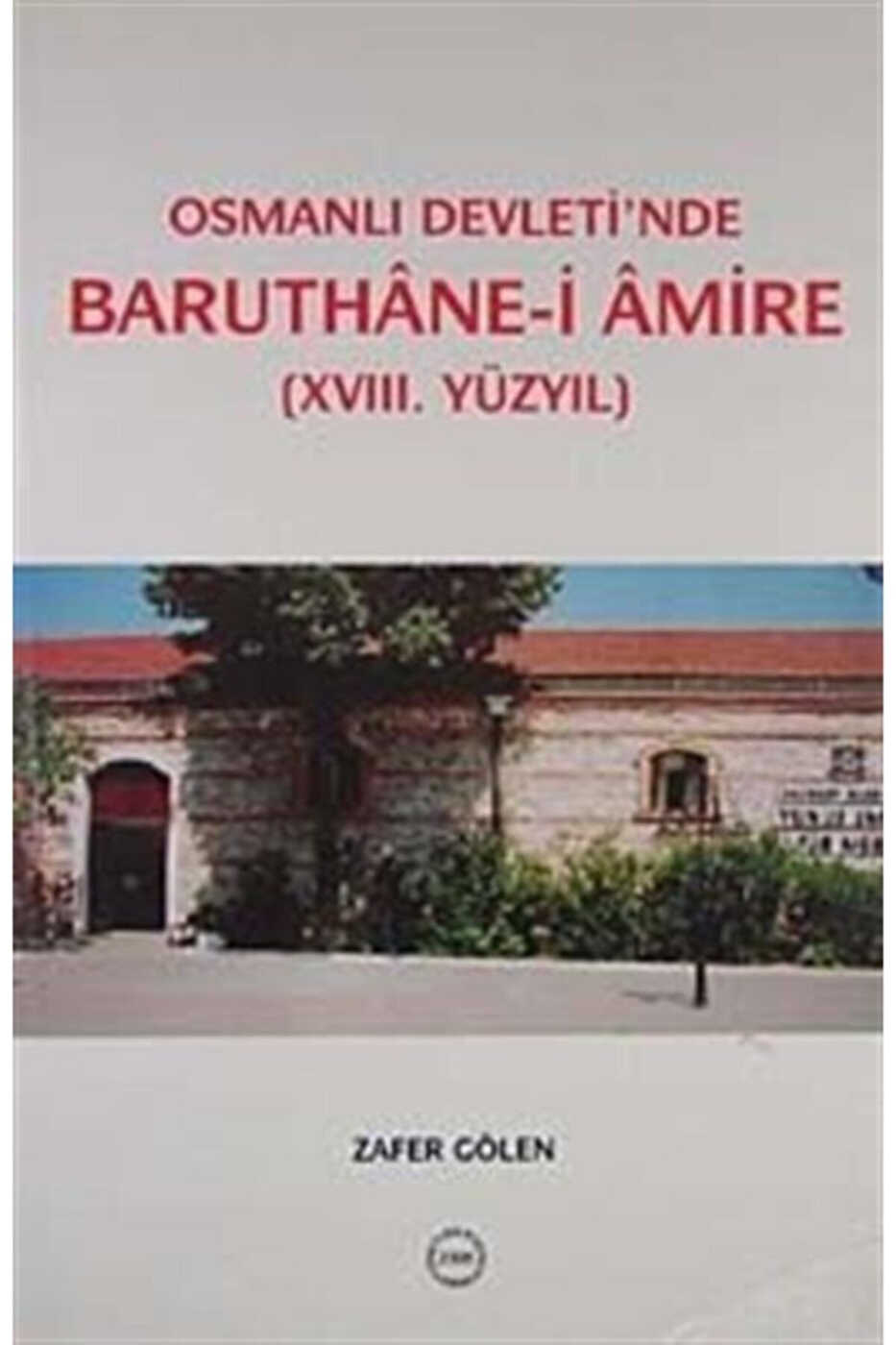


Artillery, one of the foundations of the Ottoman Empire's military power, was closely related to gunpowder production. The Baruthane-i Amire, or Great Powder Mill, was this important production center. In the 18th century, at the peak of the Ottoman Empire's rise, the Baruthane-i Amire was producing large quantities of gunpowder to meet the needs of the state. This powder mill was located in Istanbul, near the Topkapi Palace.
The importance of the Baruthane-i Amire went beyond meeting military needs, it also demonstrated the technological advancement of the Ottoman Empire. The powder mill was a production center that required advanced organization and expertise. The people working there were experienced individuals specialized in gunpowder production. The Baruthane-i Amire also conducted research related to gunpowder production.
The 18th century was a significant period for the Ottoman Empire. The state was being modernized to compete with the powers of Europe. During this period, the Baruthane-i Amire was also modernized and its production capacity increased. Using new technologies and techniques, stronger and higher-quality gunpowder began to be produced.
One of the most important elements behind the Ottoman Empire's military success was undoubtedly the Baruthane-i Amire. This powder mill, by supporting the state's military power, played a significant role in ensuring the Ottoman Empire's military superiority.
The Baruthane-i Amire made important contributions not only to the history of the Ottoman Empire, but also to world history. Gunpowder production led to major changes in the development of military technology and warfare methods. The Baruthane-i Amire is one of the symbols of the Ottoman Empire's military strength and technological advancement.
 TÜRK TARIH KURUMU YAYINLARI

 100% Original Product
 100% Secure Payment
 Return Possibility Within 14 Days
 Delivery in 7-10 Business Days
 Similar products
Similar to this product!
Similar products
Similar to this product!
 Complete Your Combination
Kombinatsiyalangan mahsulotlarni ko'ring!
Complete Your Combination
Kombinatsiyalangan mahsulotlarni ko'ring!
 Product Reviews
See the comments!
Product Reviews
See the comments!




 Whatsapp Support
 Telegram Support
 Size Chart